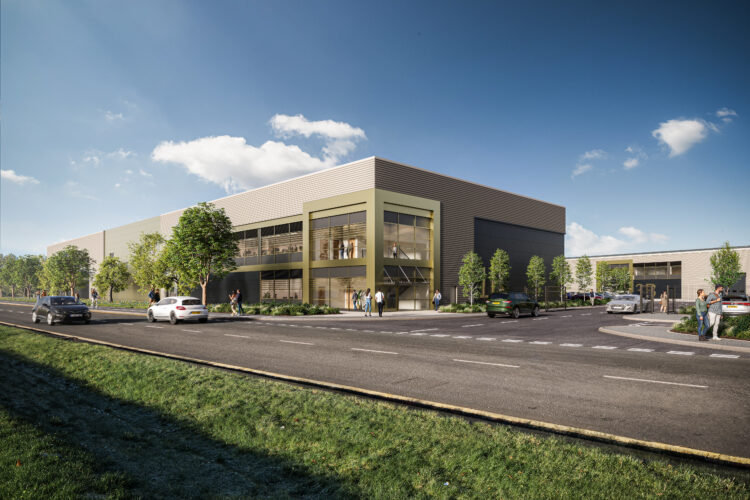
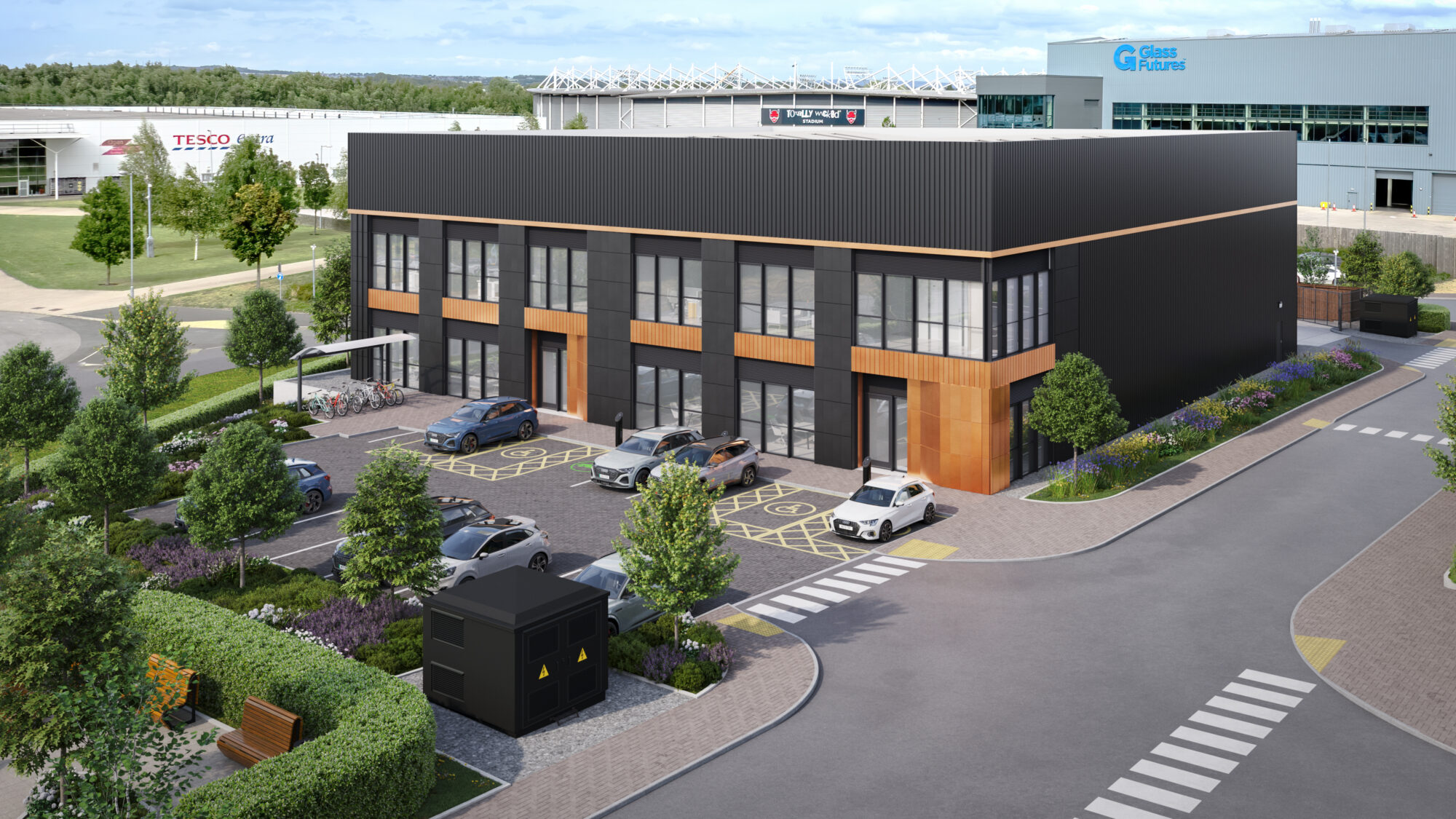
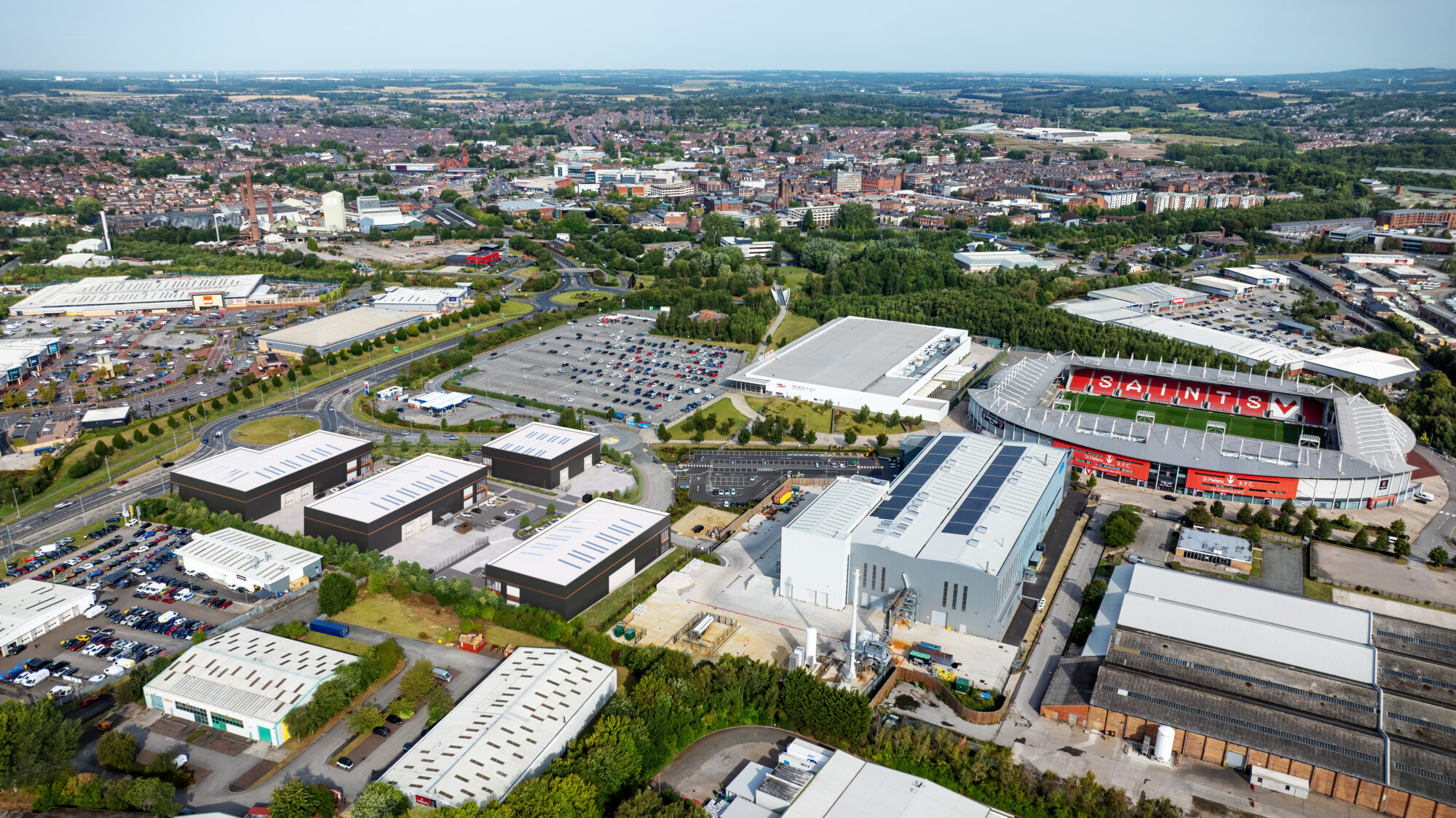
Project Halo consists of four, life science-focused “tech-boxes” located on a flagship brownfield site within the St Helens Manufacturing & Innovation Campus. The highly sustainable development is targeting BREEAM Outstanding.
Project Credits
- St Helens Borough Council / Network SpaceClient
- St HelensLocation
- Industrial Sectors
- Architecture, Sustainability Services
- 86,450 sqftSize
- 2020 - OngoingProgramme
- Planning ApprovedStatus
- BREEAM Outstanding (Targeted)Certifications
4 tech-boxes
for the life sciences sector.
Units ranging from
7,600 to 25,920 sq ft
Targeting
BREEAM Outstanding
75% of energy requirements
served by Solar PVs and heat pumps
The Brief & Design Development
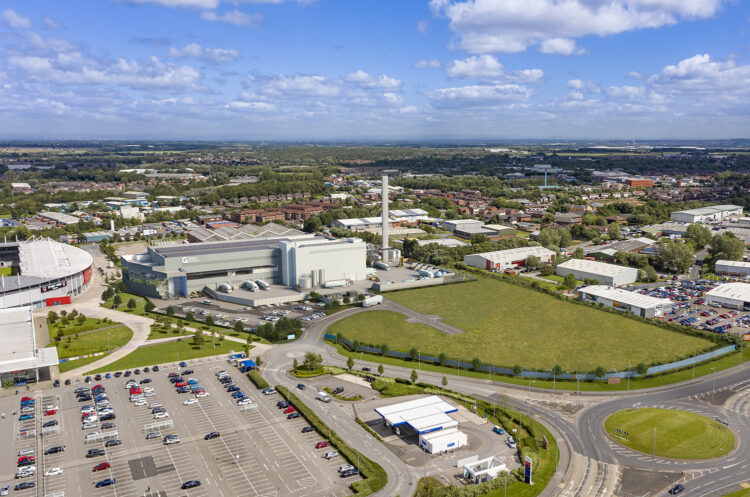
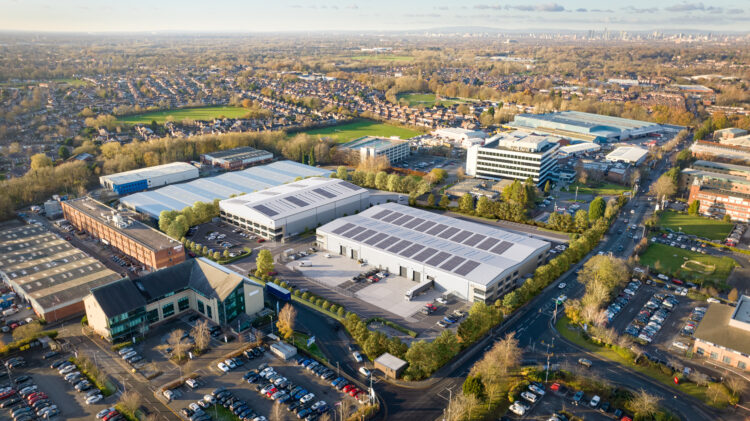
Project Halo occupies a prominent 5.6-acre site in St Helens, adjacent to our recently completed Glass Futures facility, and forms a key part of the borough’s growing Manufacturing and Innovation Campus. Building on this momentum, the brief set out an ambition to deliver a flagship, gateway development that supports the Liverpool City Region Life Sciences Investment Zone and drives high-value employment.
The Council’s vision was for a flexible, multi-unit “tech-box” scheme, combining laboratory, office and light industrial space within a high-quality, sustainable setting. Designed to be delivered speculatively, the scheme needed to respond to a range of potential occupiers while maintaining a strong identity and long-term adaptability.
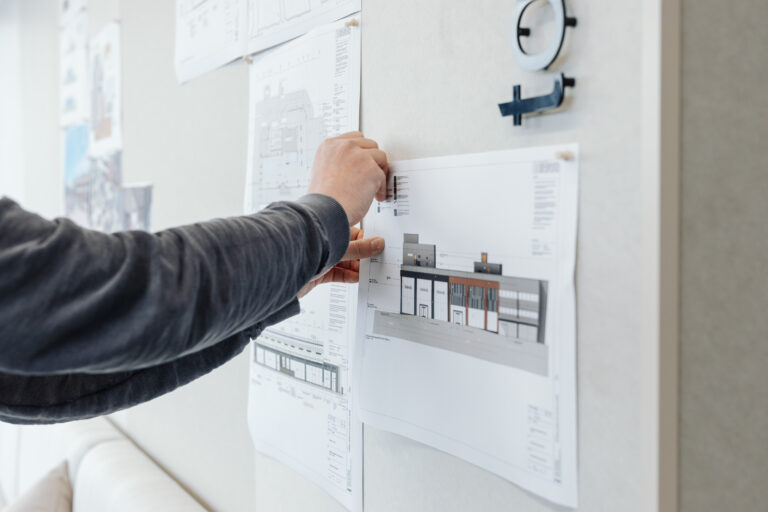
Providing architecture, sustainability, BREEAM assessment and whole life carbon analysis, our team focused on balancing efficiency with design quality. Early iterations tested a range of site layouts, unit configurations and subdivision strategies, ultimately arriving at a rationalised four-building arrangement that maximises developable area while responding to site constraints, including existing infrastructure and level changes.
Flexibility was embedded from the outset, with buildings designed to accommodate future expansion and varying levels of office and laboratory provision. Alongside this, a strong emphasis was placed on minimising waste and embodied carbon through efficient structural grids, modular construction principles and careful material selection.
“It is fantastic to see planning permission granted for Project Halo. As a borough we are positioning ourselves as a growing hub for the life sciences sector and this marks another key milestone in the provision of world class facilities for innovative businesses. Ambitious developments such as this offer real opportunities for the residents of our borough bringing high value jobs and apprenticeships right in the heart of St Helens…”Cllr Richard McCauley Cabinet Member - Regeneration (St Helen’s Council)
The scheme is targeting a BREEAM ‘Outstanding’ rating, supported by a series of integrated sustainability measures:
- A 50% reduction in water consumption through the specification of low-flow fixtures and fittings.
- On-site renewable energy generation, with solar PV and heat pumps providing approximately 75% of operational energy demand.
- An efficient structural grid designed around standard component sizes to minimise material cutting and reduce construction waste.
- Local sourcing of structural steel to reduce transport-related carbon emissions.
- Operational carbon emissions achieving a 27% improvement over Part L 2013, exceeding the Local Plan target by 8%
- Provision of cycle storage and 24 EV charging points to encourage sustainable modes of transport
The Outcome
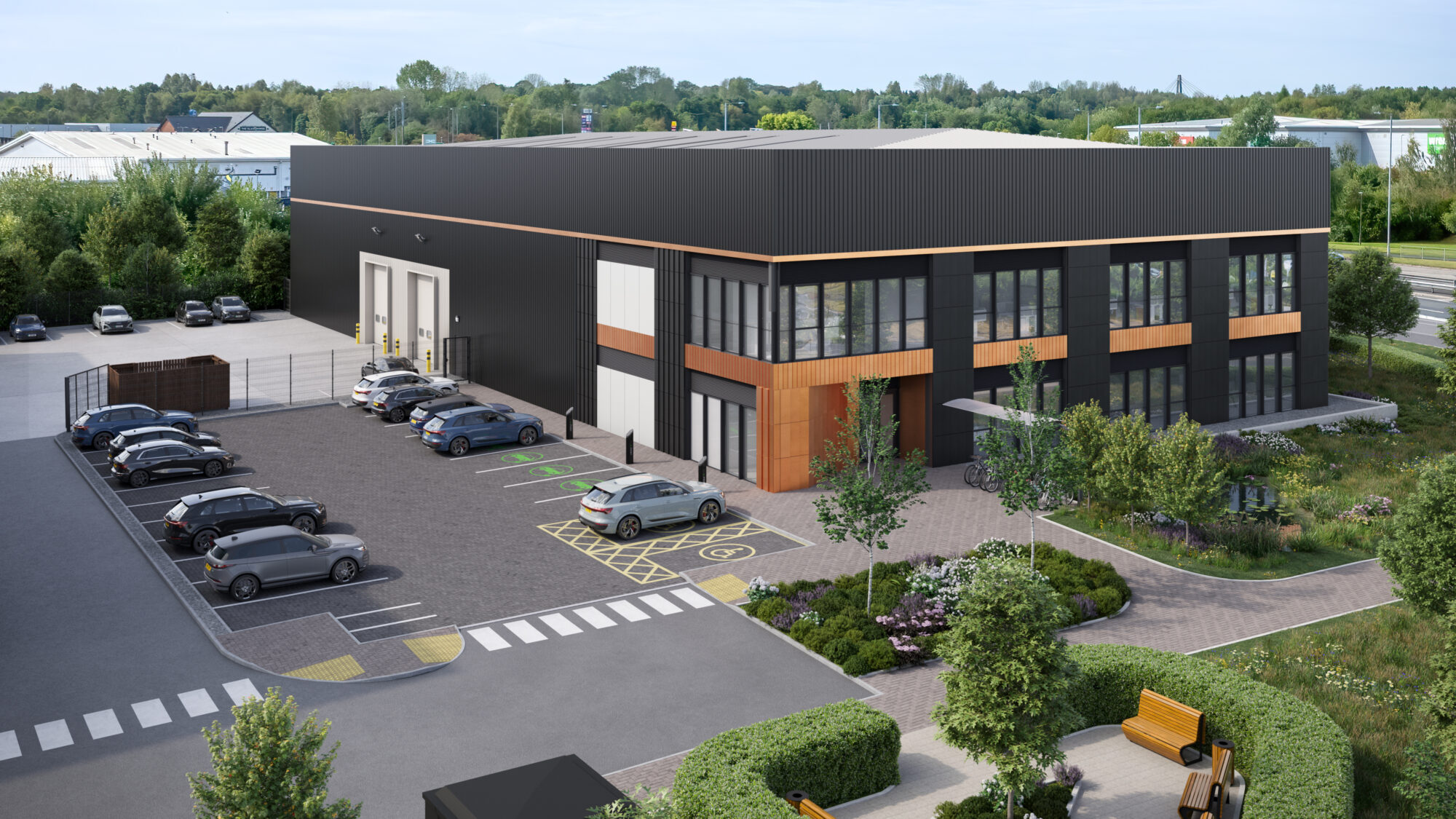
The final proposals deliver four ‘Tech Box’ buildings, 2 of which are subdivided to create 6 units ranging from 7,600 to 25,920 sq ft. Together they form a cohesive yet flexible advanced manufacturing hub. Each unit combines institutional-grade industrial space with high-quality office and laboratory frontages, creating a development that is both functional and distinctive.
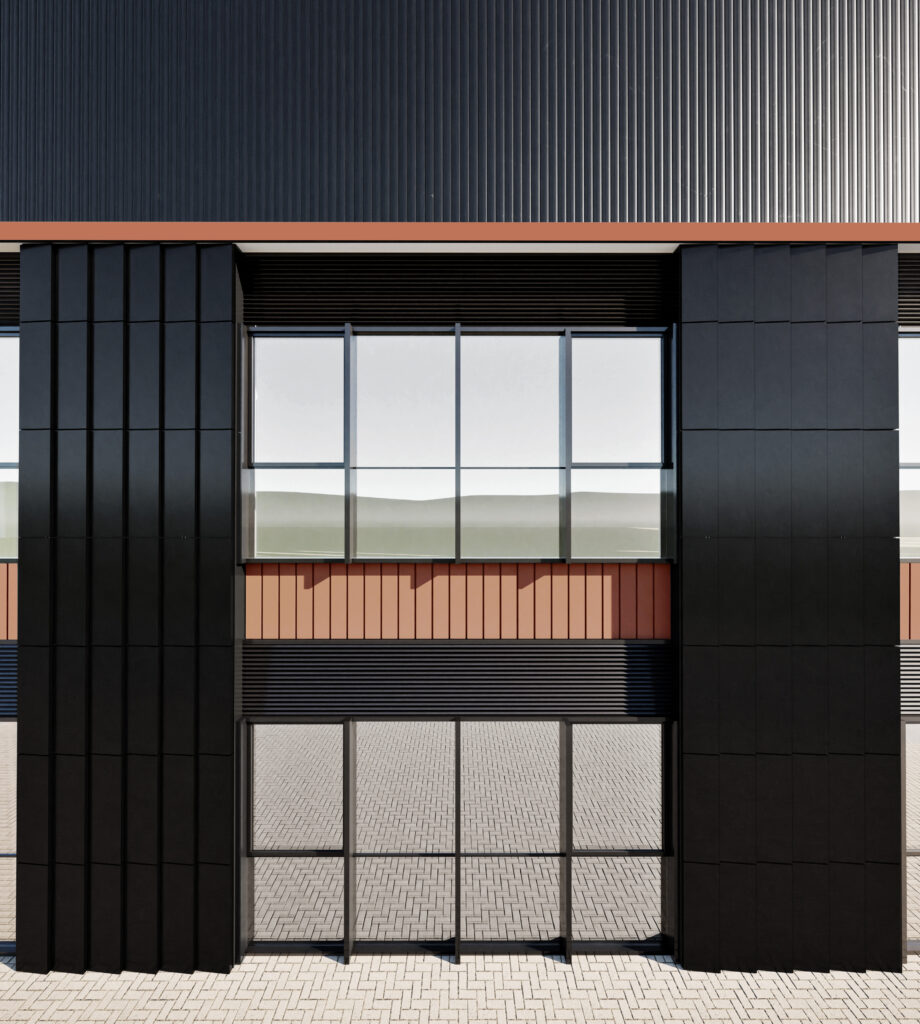
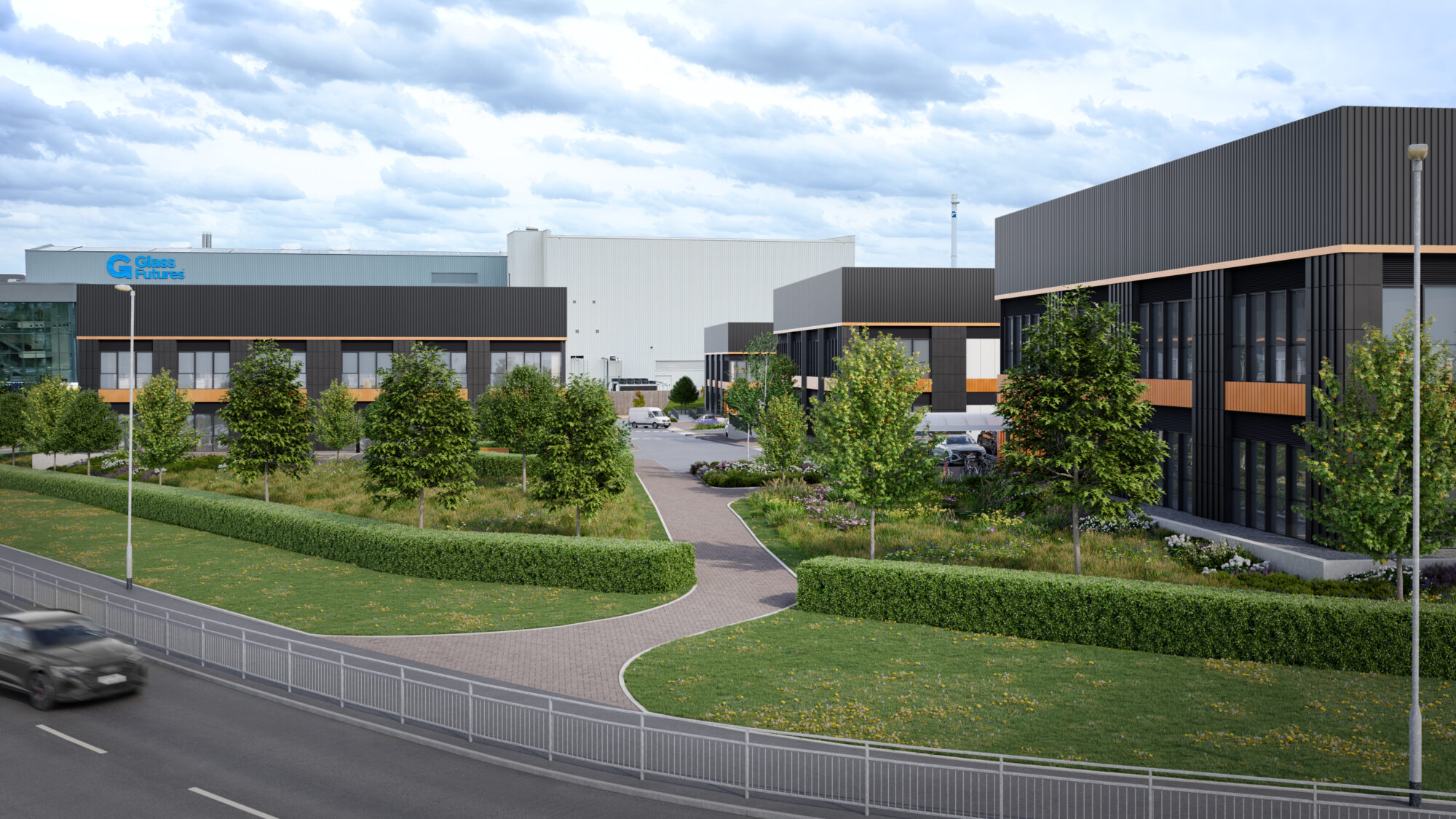
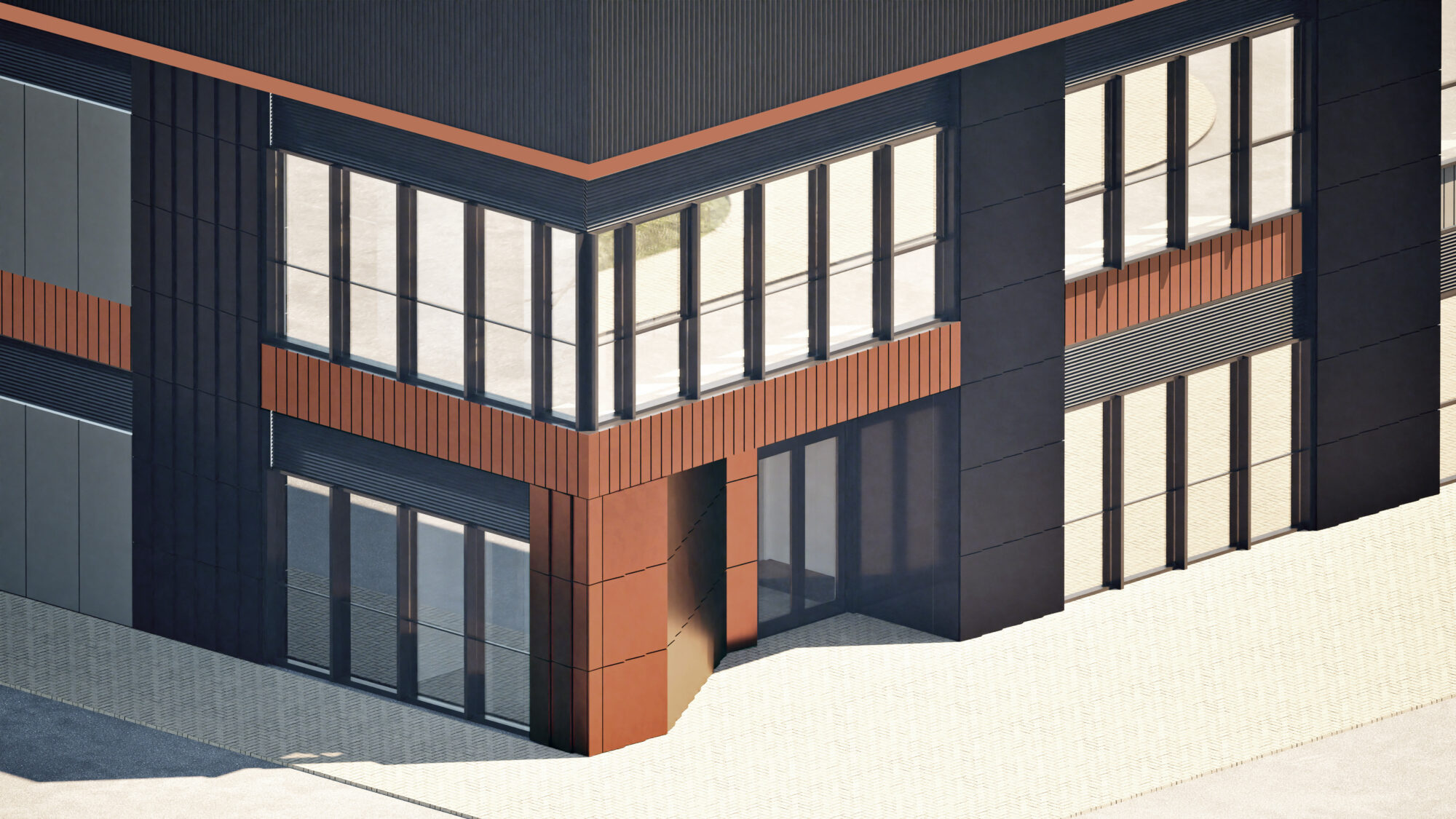
Architecturally, the scheme elevates the typical industrial typology through carefully considered materiality and articulation. Office frontages are expressed using high-quality cladding systems and refined detailing, creating a welcoming, campus-style environment, while the rear elevations maintain an efficient, industrial character. A considered colour palette draws on the red brick and terracotta tones of St Helens, reinforcing a strong sense of place and identity.
Landscape plays a central role in the scheme, softening the built form and delivering meaningful Biodiversity Net Gain (BNG) through new planting, habitat creation and a bio-retention basin. The wider site strategy ensures clear segregation of pedestrian, cycle and vehicular movement, supporting a safe and legible environment.
Targeting BREEAM ‘Outstanding’, Project Halo sits within the top tier of sustainable commercial development in the UK. Through a combination of efficient design, low-carbon material specification and early-stage whole life carbon analysis, the scheme demonstrates how high-performance industrial architecture can support both economic growth and environmental ambition.
Team Members

Alan Lamb
Director

Peter Bartley
Head of Sustainability